

Umbrella in Where Winds Meet.
Role: Parry/Counter
A nimble umbrella weapon that turns defense and movement into offense.
Difficulty: Advanced · Recommended for: Players who read attacks, time counters, and want to set the combat rhythm themselves.
It looks delicate, but hides serious defense and counterplay: glide through projectiles, angle guards, open the umbrella, and flow into strikes that punish overextensions. It fits reactive players who want to weave mobility, parries, and style into an elegant defensive DPS weapon.
Treat this page as a practical companion to the Where Winds Meet tier list and recommended builds. When patch notes shift numbers, the core fantasy and feel of Umbrella usually stay the same, so you can focus on whether the weapon's rhythm matches how you like to play.
Notes: This page is based on official showcases and general action RPG experience. It is meant to describe weapon feel and typical roles rather than exact numbers. Treat it as a starting viewpoint, and always trust in-game experience and patch notes first.
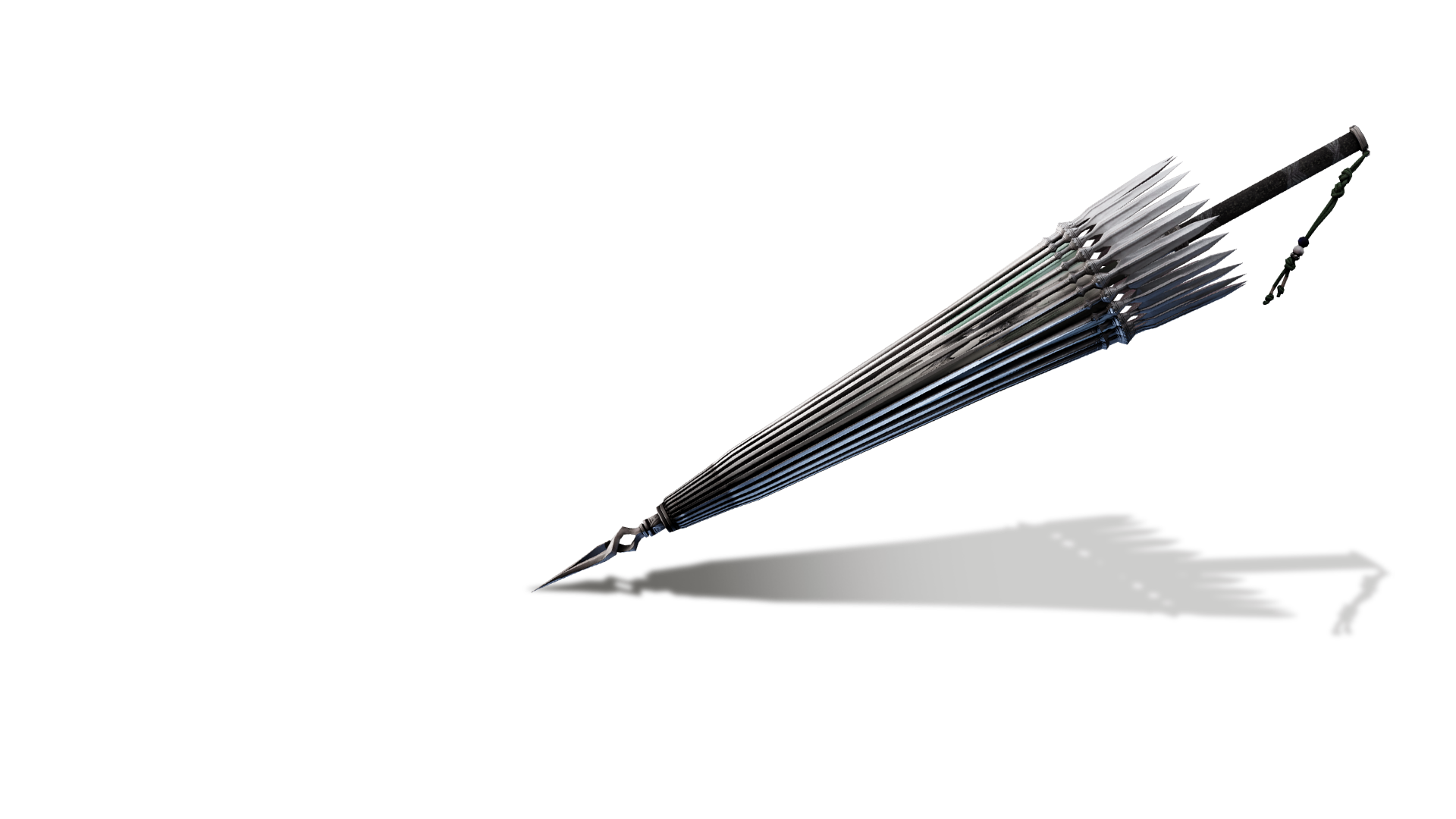
Artwork and motion are based on official Where Winds Meet weapon showcases. Exact visuals may evolve over time with new patches or cosmetics.
How Umbrella tends to play.
Delicate in appearance, but built around defense and counters: block/parry/redirect and immediately convert into offense.
PVE: ideal for pattern learners. Clean parry/guard timings let you “hold your ground” instead of constant rolling—saving time and looking stylish.
PVP / skirmishes: mixes evasive movement with short protection windows to disrupt opponent timing; whiffs create fast punish opportunities.
Strengths and upsides.
- Strong defense; high skill play can neutralize many threats.
- Mobility plus guard creates comeback potential in tight fights.
- Elegant dueling aesthetic.
- With pattern knowledge, trash and chip damage feel far less annoying.
Tradeoffs and things to watch.
- Steep learning curve; bad block/counter timing often means eating full damage.
- Less forgiving than it looks—demands more deliberate positioning than ultra-light weapons.
- Can feel sluggish in reactive mechanics until your rhythm clicks.
- If your timing is off, it can feel like you’re constantly getting interrupted.
Gentle practice goals for Umbrella.
These are not mandatory combos, just small exercises that help you understand how Umbrella wants to move and trade blows. Use them in low-pressure content first, then slowly bring them into more serious runs.
- Practice blocking/parrying one heavy attack until it’s consistent—trust in your defense is the key.
- In low-pressure content, focus on “block/deflect → immediate punish,” not long strings.
- Spacing drill: stand half a step closer than comfortable, block, counter—learn your guard ranges.
- Regen loop: refresh regeneration → hold guard → one punish → reset. Don’t overextend.
Example Umbrella builds inspired by Traditional Chinese guides.
Umbrella sits at the center of several popular Traditional Chinese builds: a pure damage "Ninefold Spring" style, a dedicated healer/support route built around arts like Mingchuan Medicine Canon, and advanced mixes that pair Umbrella with Fan for PVP control. The overviews below translate those ideas into broad English roles.
Ninefold Spring umbrella – sustained ranged DPS.
This variant treats Umbrella as a remote turret: you throw it out, let it spin and fire on its own, then use your character to reposition, drop mystic arts, or swap to a second weapon while the canopy keeps dealing damage.
- Core idea: build up the flow resource associated with your umbrella art, then use its special to send the umbrella out like a drone. While it spins, you either reposition or weave in Fan or sword skills that keep enemies locked in the damage zone.
- Stats and gear: prioritize crit and sustained damage uptime over tiny burst windows; Traditional Chinese builds often favor sets that reward long-lasting skills and DoTs.
Pure healer umbrella – dedicated support.
Here Umbrella becomes a raid backbone, using medicine-themed arts and broad shields to keep everyone standing in stressful content. Damage is secondary; your success is measured by how calm the party feels.
- Core idea: pre-cast heals and shields before predictable boss bursts. Many Traditional Chinese guides emphasize pre-healing over reaction—raising health bars ahead of time instead of chasing them afterward.
- Inner arts focus: max HP, outgoing healing, shield strength, and tools that refund mystic energy so you can cast often. When in doubt, choose safety over damage.
Between mechanics, Traditional Chinese heal guides suggest using basic attacks to refill mystic resources so you are ready for the next spike, rather than standing idle.
Umbrella & fan builds inspired by Traditional Chinese guides.

Umbrella and fan weapons support three standout playstyles in Traditional Chinese builds: a pure damage umbrella that plays like a roaming turret, a PVP control fan, and a full healer archetype. All share a focus on positioning and resource flow rather than raw button mashing.
1. Ninefold Spring umbrella – sustained DPS turret.
This build revolves around an umbrella art often translated as “Ninefold Spring,” which builds a flower-like resource and spends it on a special that throws the umbrella out to attack on its own. While it spins, you can freely swap weapons or cast qi arts.
- Core loop in guides: apply a debuff skill → throw the umbrella so it auto-attacks → swap to a second weapon or spam qi arts → swap back when the special ends and repeat.
- Inner arts prioritize crit chance, projectile damage, and attack speed so the umbrella's shots stack effects quickly.
2. Qingshan Brush fan – PVP control and burst.
In duels, Traditional Chinese guides highlight a fan style often called “Qingshan Brush” as the core of a control-focused build. The idea is to use the fan's strong openers and stuns to set up high-damage qi arts.
- Open with a fan skill that locks the opponent in place, then immediately chain into your strongest qi art or a pre-planned combo string. The goal is to compress as much damage as possible into each control window.
- For stats, favor accuracy, crit, and tools that help you land the opening hit reliably in PVP—range, movement, and quick start-up matter more than pure raw attack.
3. Healing umbrella/fan – full support specialist.
A third family pairs healing-focused umbrella and fan arts into a pure support build. Chinese guides frame this as the backbone of safer dungeon groups, where your job is to erase mistakes and keep everyone moving.
- Prioritize inner arts and gear that boost healing, shields, and damage reduction rather than personal DPS. Treat your own damage as a bonus that happens while you keep buffs and regen ticking.
- This style shines in coordinated co-op or difficult PVE where the limiting factor is survival, not kill speed. It is less solo-efficient but can dramatically raise party success rates.
Watching Umbrella in motion.
Before committing to a full respec or fresh character, it helps to see how a weapon looks and sounds during real combat. The official showcase clip below offers a quick preview so you can decide whether Umbrella matches your taste.
When you watch the clip, you might focus on details like timing, distance, and how openings are created rather than only the visual effects:
- How often does the player stand and block instead of rolling? That shows when umbrella defense is worth it.
- Parry timing: too early eats damage, too late misses the window—copy the rhythm.
- Between blocks: use short side-steps to keep the enemy in front of you instead of rolling away.
Video links reference official showcase footage. If a clip fails to load, it likely means the hosting URL has changed since this page was last updated.
Explore other weapons.
Jump between weapon guides to compare roles and play feel quickly, then use the weapons tier list when you want a higher-level meta snapshot.