

Fan in Where Winds Meet.
Role: Support
An elegant weapon that blends ranged pressure with support tools.
Difficulty: Moderate · Recommended for: Players who like staying safe, controlling the flow of combat, and supporting on the side.
The Fan channels inner qi outward: elegant gestures become ranged pressure plus support. You chip from a safe distance, soften groups with wide skills, and use healing/utility tools to stabilize yourself and allies. It fits players with clean spacing, team-focused utility, and a calmer combat tempo.
Treat this page as a practical companion to the Where Winds Meet tier list and recommended builds. When patch notes shift numbers, the core fantasy and feel of Fan usually stay the same, so you can focus on whether the weapon's rhythm matches how you like to play.
Notes: This page is based on official showcases and general action RPG experience. It is meant to describe weapon feel and typical roles rather than exact numbers. Treat it as a starting viewpoint, and always trust in-game experience and patch notes first.
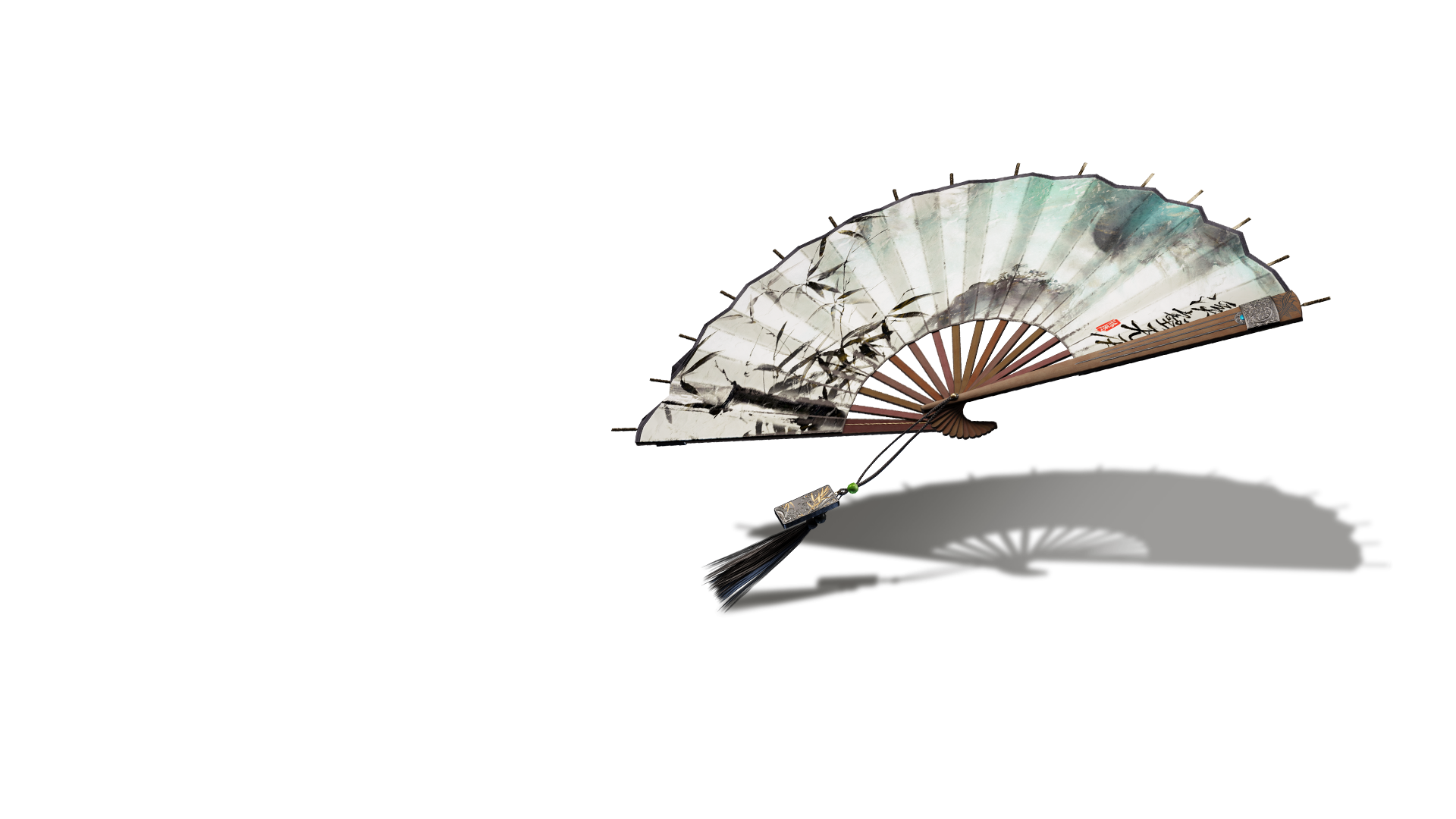
Artwork and motion are based on official Where Winds Meet weapon showcases. Exact visuals may evolve over time with new patches or cosmetics.
How Fan tends to play.
Projects inner energy outward: ranged pressure plus support (heals, shields, slows).
PVE: a rhythm-smoother for the team. Not always top DPS, but it raises overall error tolerance. Great for players who prefer a calmer tempo and strong awareness.
PVP / small fights: very position- and timing-dependent. Look for clean sight lines and escape routes, then use soft control/support to flip trades.
Strengths and upsides.
- Comfortable range that keeps melee pressure away.
- Healing/support tools noticeably increase group survivability.
- Calmer tempo than full melee, leaving more mental space for awareness.
- Elegant aesthetic for a “cultivator/support/duelist” fantasy.
Tradeoffs and things to watch.
- Burst is often lower than pure DPS weapons, so kills can take longer.
- Overly cautious play can make solo content feel slow.
- Requires awareness of allies; otherwise your support value evaporates.
- In extreme fights it can be frustrating that you can’t “heal everything.”
Gentle practice goals for Fan.
These are not mandatory combos, just small exercises that help you understand how Fan wants to move and trade blows. Use them in low-pressure content first, then slowly bring them into more serious runs.
- Practice standing slightly behind/to the side of the frontline so you can see both threats and allies.
- Set one small goal per run: use a single support tool well (save low HP, buy time, stabilize a bad moment).
- Do a few fights with a reduced damage rotation and focus on ally/enemy positioning to train awareness.
- “Fan main” style: keep a continuous wall of fan skills between you and enemies, only stepping closer when your control cooldowns are ready.
Example Fan-focused builds from Traditional Chinese coverage.
In Traditional Chinese build collections, Fan usually appears either as a main weapon in graceful ranged-pressure builds, or as part of a high-skill "umbrella–fan dual cultivation" setup where Fan does the risky front-line work and Umbrella covers gaps with shields and control.
Fan main – ranged pressure and soft control.
This is the natural home for players who enjoy standing a bit back, layering slow fields, projectiles, and debuffs while occasionally stepping in for stylish finishers.
- Core idea: maintain a "wall" of Fan skills between you and enemies, using slows and knockbacks to protect yourself and your team. When everything is on cooldown, reposition rather than forcing greedy melee trades.
- Inner arts focus: damage over time, crit consistency, and just enough survivability to survive dive attempts. Traditional Chinese guides frequently mention traits that extend special skill uptime and widen their areas.
Umbrella–Fan dual cultivation – advanced hybrid.
This is the most technical umbrella–fan setup described in Traditional Chinese guides. Fan handles most of the committed trades, while Umbrella dips in during safe windows to add shields, crowd control, or extra chip damage.
- Core idea: wait for bosses to finish big swings, then briefly swap to Umbrella to drop a shield or regeneration zone before returning to Fan for active pressure. You respect umbrella recovery frames instead of casting it in unsafe windows.
- Recommended players: people who already feel comfortable on pure Fan or Umbrella and want a high-ceiling style that rewards planning, rhythm, and awareness in both PVE and PVP.
If you are new to Fan, start with the simpler ranged-pressure variant above before attempting this dual-weapon flow.
Umbrella & fan builds inspired by Traditional Chinese guides.

Umbrella and fan weapons support three standout playstyles in Traditional Chinese builds: a pure damage umbrella that plays like a roaming turret, a PVP control fan, and a full healer archetype. All share a focus on positioning and resource flow rather than raw button mashing.
1. Ninefold Spring umbrella – sustained DPS turret.
This build revolves around an umbrella art often translated as “Ninefold Spring,” which builds a flower-like resource and spends it on a special that throws the umbrella out to attack on its own. While it spins, you can freely swap weapons or cast qi arts.
- Core loop in guides: apply a debuff skill → throw the umbrella so it auto-attacks → swap to a second weapon or spam qi arts → swap back when the special ends and repeat.
- Inner arts prioritize crit chance, projectile damage, and attack speed so the umbrella's shots stack effects quickly.
2. Qingshan Brush fan – PVP control and burst.
In duels, Traditional Chinese guides highlight a fan style often called “Qingshan Brush” as the core of a control-focused build. The idea is to use the fan's strong openers and stuns to set up high-damage qi arts.
- Open with a fan skill that locks the opponent in place, then immediately chain into your strongest qi art or a pre-planned combo string. The goal is to compress as much damage as possible into each control window.
- For stats, favor accuracy, crit, and tools that help you land the opening hit reliably in PVP—range, movement, and quick start-up matter more than pure raw attack.
3. Healing umbrella/fan – full support specialist.
A third family pairs healing-focused umbrella and fan arts into a pure support build. Chinese guides frame this as the backbone of safer dungeon groups, where your job is to erase mistakes and keep everyone moving.
- Prioritize inner arts and gear that boost healing, shields, and damage reduction rather than personal DPS. Treat your own damage as a bonus that happens while you keep buffs and regen ticking.
- This style shines in coordinated co-op or difficult PVE where the limiting factor is survival, not kill speed. It is less solo-efficient but can dramatically raise party success rates.
Watching Fan in motion.
Before committing to a full respec or fresh character, it helps to see how a weapon looks and sounds during real combat. The official showcase clip below offers a quick preview so you can decide whether Fan matches your taste.
When you watch the clip, you might focus on details like timing, distance, and how openings are created rather than only the visual effects:
- Watch the area and duration of fan skills: how many allies could you realistically cover?
- How does the player stay safe during dives/AoEs? Your survival determines your support uptime.
- Is the damage pattern constant or bursty? Use that to guide build choices.
Video links reference official showcase footage. If a clip fails to load, it likely means the hosting URL has changed since this page was last updated.
Explore other weapons.
Jump between weapon guides to compare roles and play feel quickly, then use the weapons tier list when you want a higher-level meta snapshot.