

Sword in Where Winds Meet.
Role: Balanced
Stable, balanced sword—an ideal first pick.
Difficulty: Easy · Recommended for: Players who are still learning systems, want to avoid extreme pros/cons, and like classic sword fantasy.
Sword is the all-rounder weapon for wanderers who value flexibility above all else. Its move set flows smoothly between offense and defense with clean combos, approachable timings, and just enough utility to slot into most builds without drama. In Where Winds Meet it is a strong recommendation for new players who want to learn core systems while still having a weapon that scales comfortably into late-game content.
Treat this page as a practical companion to the Where Winds Meet tier list and recommended builds. When patch notes shift numbers, the core fantasy and feel of Sword usually stay the same, so you can focus on whether the weapon's rhythm matches how you like to play.
Notes: This page is based on official showcases and general action RPG experience. It is meant to describe weapon feel and typical roles rather than exact numbers. Treat it as a starting viewpoint, and always trust in-game experience and patch notes first.
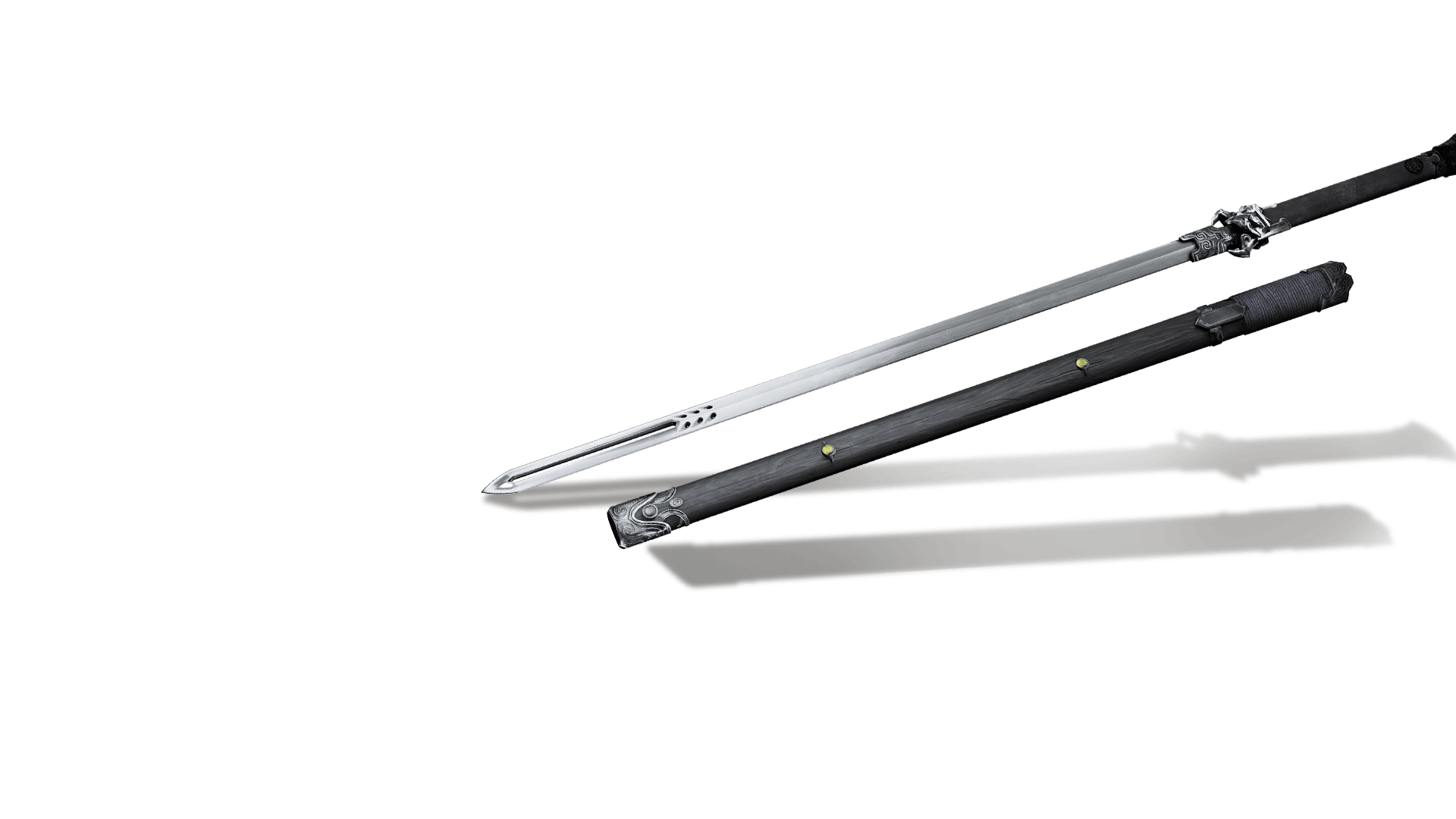
Artwork and motion are based on official Where Winds Meet weapon showcases. Exact visuals may evolve over time with new patches or cosmetics.
How Sword tends to play.
The default answer: never the absolute best, but almost never bad. Medium reach, readable rhythm, intuitive defense—ideal as a first main weapon.
PVE: handles story, trash packs, and dungeons reliably. A great weapon for learning dodge windows, posture breaks, and aggro flow.
Still a dependable anchor later: new bosses/mechanics are often easier to learn with a low-maintenance sword than with high-risk options.
Strengths and upsides.
- Balanced and easy to pick up.
- Mostly straightforward skills with low prediction/angle management burden.
- Forgiving—small mistakes rarely break the run.
- “Good enough everywhere,” making role/build swaps smoother.
Tradeoffs and things to watch.
- If you want extreme burst or tankiness, it can feel less specialized.
- The skill ceiling comes more from player fundamentals than weapon gimmicks.
- Not always at the top of pure DPS charts, even when it feels strong in practice.
Gentle practice goals for Sword.
These are not mandatory combos, just small exercises that help you understand how Sword wants to move and trade blows. Use them in low-pressure content first, then slowly bring them into more serious runs.
- Loop: opener toward a posture break → short combo → hold dodge/guard instead of extending greedily.
- Practice deliberately blocking one heavy enemy attack until it becomes consistent.
- For farming, use a simple anti-greed rule: “max 3 hits per approach.”
- Relaxed style: when stamina is full, charge a heavy hit; when stamina is low, briefly swap to your partner weapon/mystic, then reset.
Watching Sword in motion.
Before committing to a full respec or fresh character, it helps to see how a weapon looks and sounds during real combat. The official showcase clip below offers a quick preview so you can decide whether Sword matches your taste.
When you watch the clip, you might focus on details like timing, distance, and how openings are created rather than only the visual effects:
- Notice the pauses between strings—those are your decision windows.
- Which skills include movement/guard properties? Those are your safety buttons.
- Against multiple enemies, watch positioning to avoid getting surrounded.
Video links reference official showcase footage. If a clip fails to load, it likely means the hosting URL has changed since this page was last updated.
Explore other weapons.
Jump between weapon guides to compare roles and play feel quickly, then use the weapons tier list when you want a higher-level meta snapshot.